

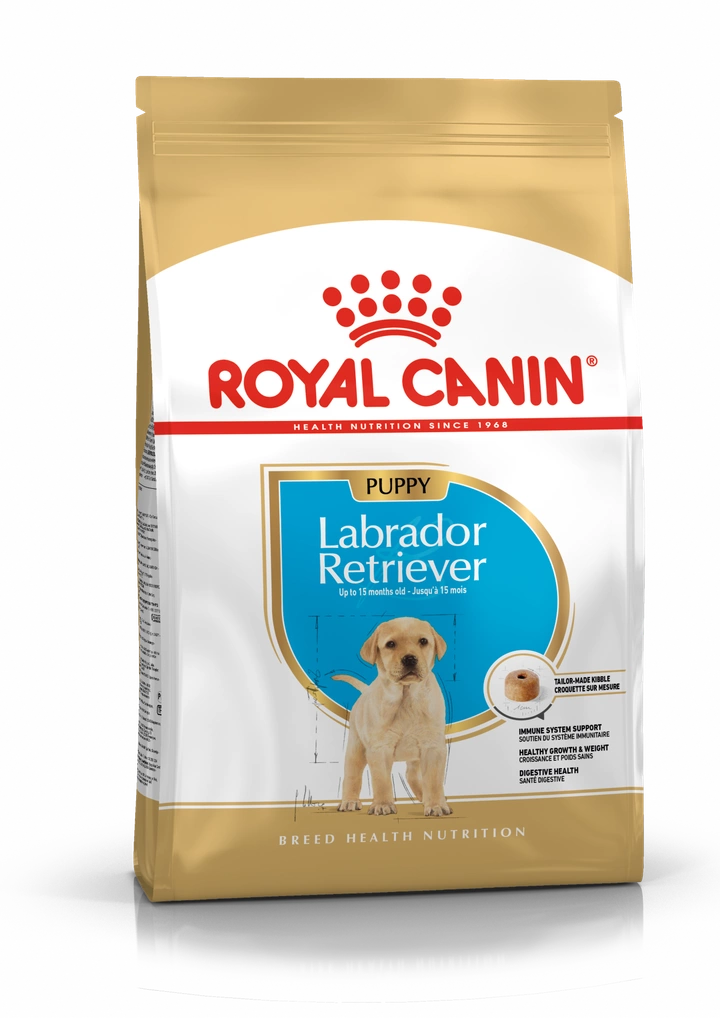
ROYAL CANIN Labrador Retriever Puppy 12kg

- Dry food for dogs up to 15 months old, large breeds, dedicated to the Labrador Retriever breed, used to support the immune system, proper growth, and healthy digestion. 12 kg package.
ROYAL CANIN Labrador Retriever Puppy 12kg - Product Description
Dry food for puppies, growing dogs, and adult dogs up to 15 months old, large breeds, dedicated to the Labrador Retriever breed.
Supporting the immune system - Growth is an important period in a dog's life, a time of great change, discovery, and challenges. During this crucial period, a puppy's immune system gradually develops.
Labrador Retriever Puppy food supports your dog's natural defenses with a unique, patented antioxidant complex containing vitamin E.
Healthy growth and proper body weight - The food ensures proper skeletal development in Labrador Retriever puppies and promotes harmonious weight gain thanks to an adequate supply of energy, protein, calcium, and phosphorus.
Healthy digestion - The combination of high-quality protein (L.I.P.) and prebiotics (FOS) supports digestive health and the balance of intestinal flora, ensuring good stool quality.
Composition
- Rice
- Dried poultry protein
- Corn
- Plant protein isolate
- Corn gluten
- Animal fats
- Animal protein hydrolysate
- Mineral salts
- Beet pulp
- Fish oil
- Plant fiber
- Soybean oil
- Fructooligosaccharides
- Psyllium husks and seeds
- Yeast extract (source of mannooligosaccharides)
- Shellfish hydrolysate (source of glucosamine)
- Borage oil
- Marigold extract (source of lutein)
- Cartilage hydrolysate (source of chondroitin)
Composition analysis
- Crude protein 33%
- Crude oils and fats 14%
- Crude ash 7.3%
- Crude fiber 1.7%
Additives per 1kg
- Vitamin A 24300 IU
- Vitamin D3 800 IU
- E1 (Iron) 40mg
- E2 (Iodine) 2.8mg
- E4 (Copper) 2mg
- E5 (Manganese) 52mg
- E6 (Zinc) 198mg
- E8 (Selenium) 0.1mg
- Calcium 9.9 g
- Phosphorus 8.3g
- Preservatives
- Antioxidants
Dosage
| Body weight of adult dog | 2 months | 3 months | 4 months | 5 months | 6 months | 7 months | 8th month | 9 months | 10th month | 11th month | 12 months | 13th month | 14th month | 15 months |
|---|---|---|---|---|---|---|---|---|---|---|---|---|---|---|
| 25 kg | 211 g | 260g | 281g | 300g | 317 | 315g | 285g | 272g | 257g | 270g | 282g | 280g | 280g | Lab. Ad. |
| 26 kg | 213g | 263g | 285 | 307 | 326 | 324g | 302g | 298g | 289g | 277g | 290g | 288g | 288g | Lab. Ad. |
| 28 kg | 217 | 270g | 294g | 320g | 344g | 344g | 320g | 316g | 306g | 293g | 306g | 305g | 304g | Lab. Ad. |
| 30 kg | 221g | 277g | 302g | 333g | 362g | 363g | 338g | 334g | 322g | 309g | 323g | 322g | 321g | Lab. Ad. |
| 32 kg | 225 | 284 | 310g | 346 | 380 | 381g | 354g | 351g | 339g | 325 | 340g | 338g | 336g | Lab. Ad. |
| 34 kg | 228 | 391g | 318g | 359g | 398 | 398g | 371g | 368g | 356g | 341g | 357g | 354g | 352g | Lab. Ad. |
| 35 kg | 230 | 294g | 322g | 366g | 407g | 407g | 379g | 376g | 364g | 349g | 365g | 363g | 360g | Lab. Ad. |
| 36 kg | 232 | 297g | 326g | 372g | 415 | 416g | 390g | 388g | 382g | 378g | 373g | 371g | 367g | Lab. Ad. |
| 38 kg | 236g | 304g | 334g | 385g | 432g | 433g | 406g | 404g | 398g | 394g | 389g | 386g | 383g | Lab. Ad. |
| 40 kg | 240g | 311g | 342g | 399 | 449 | 450g | 422g | 420g | 415g | 411g | 405g | 402g | 398g | Lab. Ad. |
Additional Information
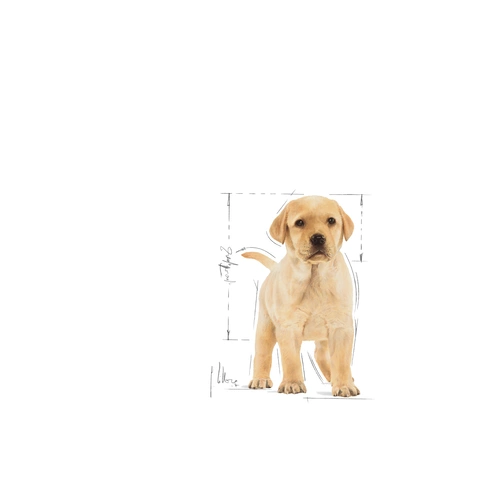
To support them during the sensitive growth phase, Labrador Retriever puppies require special nutrition.
The diet should not only support healthy development, but also help the animal maintain an optimal body weight thanks to its moderate energy content. A strengthened immune system and balanced intestinal flora contribute to the overall well-being of the growing puppy.
The Labrador Retriever is a unique and versatile dog, lively and graceful. It has a unique coat structure with a water-repellent undercoat. However, the alkaline pH of its coat weakens the skin's protective barrier.
Labradors often have a huge appetite but relatively low energy requirements. Therefore, their natural tendency to become overweight should be taken into account when feeding them.
Labrador Retrievers love physical activity, whether hunting, working, or walking, they are a real force of nature. Their joint cartilage acts as a "shock absorber" and is often exposed to heavy loads. This puts them at increased risk of developing osteoarthritis.